The EU's "Made in EU" plan: a 70% EU-origin parts rule for EVs matters to Turkish suppliers
The European Commission's Industrial Accelerator Act proposal requires EU assembly and at least 70% EU-origin component value (excluding the battery) for electric vehicles receiving public support; 73.7% of Türkiye's automotive exports go to the EU.
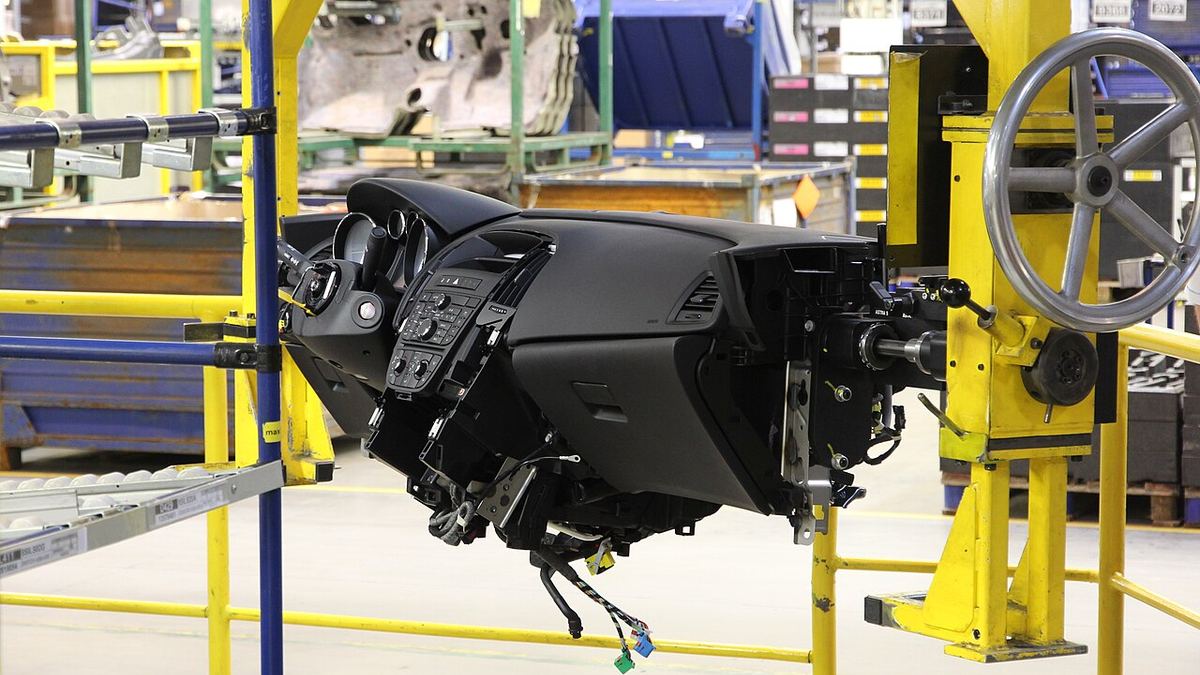
The Industrial Accelerator Act proposal presented by the European Commission on 4 March 2026 aims to promote production and the use of domestic components in the EU. The proposal is still in the legislative process.
Under the proposal, vehicles that benefit from certain public procurement and support schemes must:
- be assembled in the EU,
- have at least 70% of the total ex-works value of components (excluding the battery) of EU origin,
- have the origin and value of components verified with supplier documents.
Separate conditions apply to battery cells. The rules cover battery-electric, plug-in hybrid and fuel-cell vehicles.
According to the Uludağ Automotive Industry Exporters' Association (OİB), Türkiye's automotive exports in January–September 2026 totalled 31.1 billion dollars, of which 22.9 billion went to EU countries. The EU's share of 73.7% is above the 72.5% recorded for 2025. Saim Aşçı, chair of the Istanbul Chamber of Commerce's 52nd committee, said lasting guarantees are needed not only for existing investments but also for future models, battery plants and independent Turkish suppliers. Trade Minister Ömer Bolat had said in October that some provisions could disrupt integrated supply chains and that Türkiye's expectations had been conveyed to EU institutions.
What does this mean for a molder?
For companies supplying plastic parts to European carmakers there are two concrete effects: if Türkiye is left out, orders for new EV programmes may shift to suppliers inside the EU; even if it is included, more customers will ask for origin and value documentation. Starting traceable records by material, mold and part now pays off in both scenarios.
Is something missing or wrong in this article? ; verified errors are corrected.