PP homopolymer vs copolymer vs random — which one goes where? A practical grade guide
The three main types of polypropylene look like one family but differ sharply in impact resistance, transparency, temperature range and processing window. We show which PP to pick for caps, hinges, containers, pipe fittings, fridge drawers and other everyday applications.
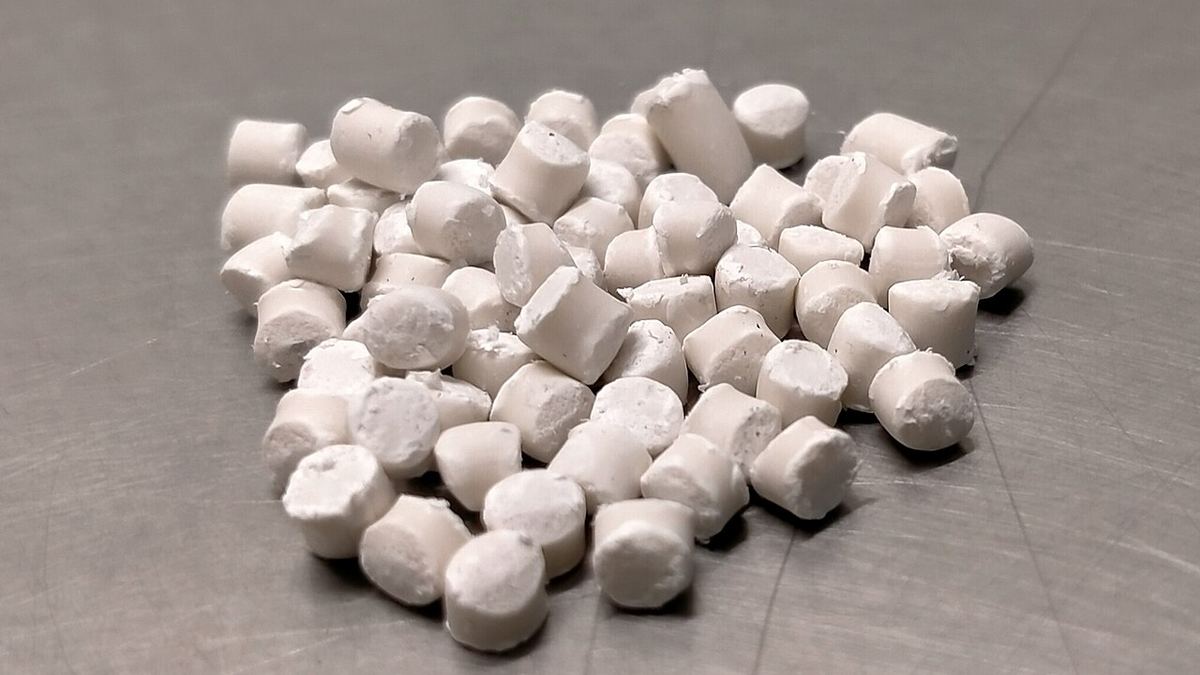
Polypropylene is one of the most common materials a molder handles. It is cheap, light, chemically resistant and has a wide processing window. But saying "PP" does not answer the question — the gap between the three main PP types can be as decisive as switching to a different family.
Three types, three property profiles
PP-H (homopolymer)
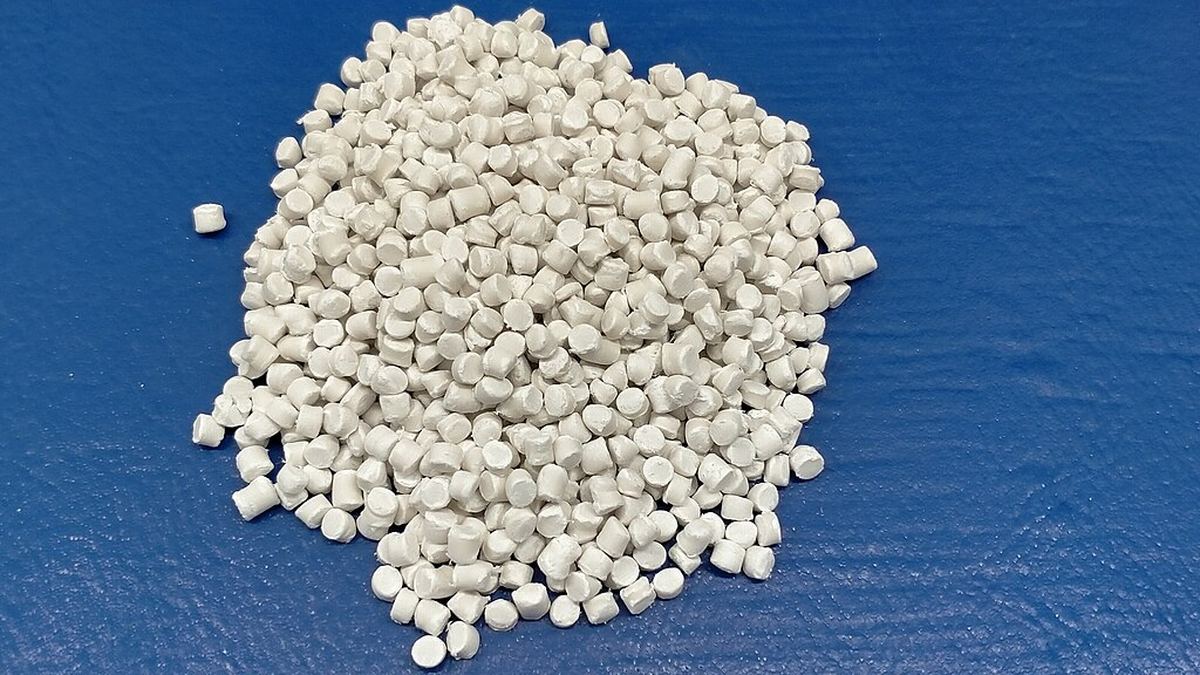
Made from pure propylene monomer. The stiffest, hardest and highest melting PP. Crystallinity is high so dimensional stability is good, but it is brittle at low temperatures. Impact drops noticeably below 0 °C.
Typical uses: Caps, kitchenware, thick-wall rigid containers, hot-water contact parts (thermostat housings, dishwasher internals), medical packaging.
PP-K (copolymer, block copolymer)
Ethylene blocks are inserted into the propylene chain. Impact resistance rises significantly; low-temperature impact critical applications call for PP-K. Stiffness drops a little from PP-H; appearance stays opaque.
Typical uses: Fridge drawers, automotive interior trim, containers out of the freezer, monoblock garden/café chairs, battery cases, transport crates.
PP-R (random copolymer)
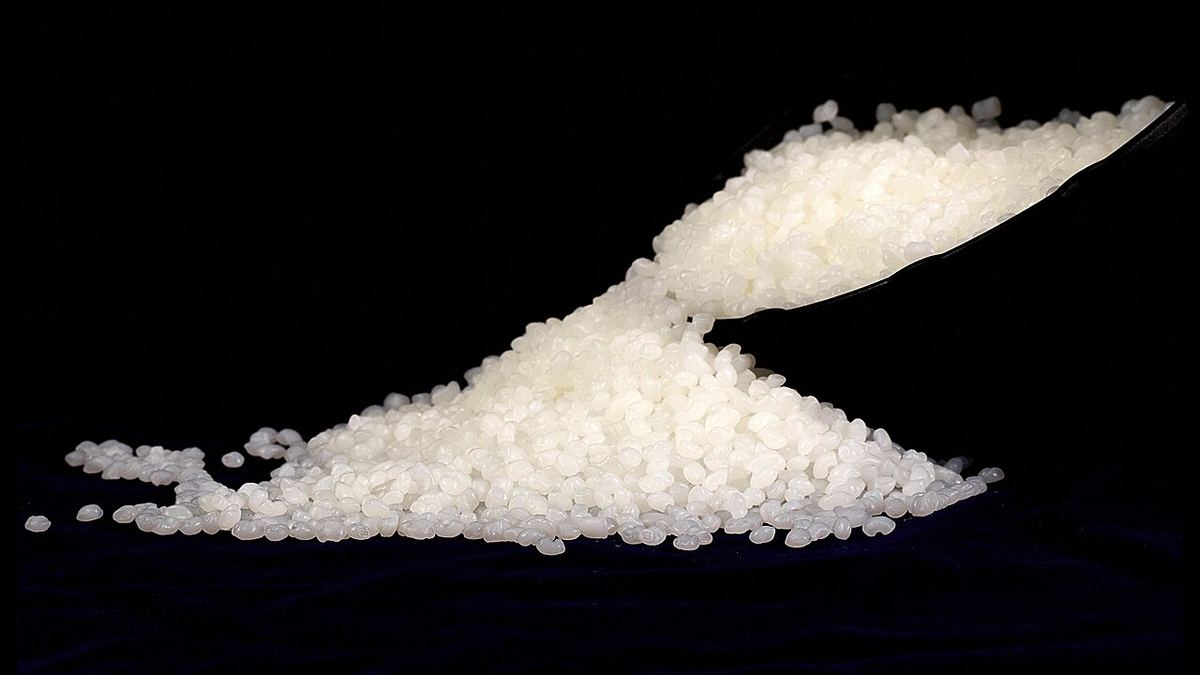
Ethylene is randomly distributed; crystallinity decreases. Medium impact resistance but allows visual translucency (frosted appearance). Choose PP-R where some transparency plus flexibility balance matters.
Typical uses: Hot-water plumbing pipes (PP-R is standard in sanitary piping), semi-transparent bottles and jars, medical caps, cosmetic packaging.
Quick decision table
| Criterion | Pick |
|---|---|
| Highest rigidity, hard surface | PP-H |
| Low-temperature impact critical | PP-K |
| Semi-transparent look | PP-R |
| Hot water plumbing | PP-R |
| Living hinge (thousands of flexes) | PP-K or PP-H |
| Monoblock outdoor chair | PP-K + UV additive |
| High load-bearing part | PP-GF30 (glass-fiber reinforced) |
| Dishwasher interior part | PP-H (cost) or PP-K (impact) |
Strengths and weaknesses of PP
Strengths:
- Lowest density of common plastics (0.90 g/cm³)
- Wide chemical resistance (acids, bases, most solvents)
- Food-contact grades widely available
- Living hinge capability (thousands of open/close cycles from the same part)
- Economical, one of the highest-volume thermoplastics globally
- Wide processing window
Weaknesses:
- Yellows and cracks quickly outdoors without UV additive
- Cannot sustain above 100 °C long-term (POM, PA replace it)
- Without glass-fiber, inadequate for metal replacement
- Low-temperature brittleness in homopolymer needs attention
- Surface requires plasma/flame treatment before bonding or printing
Mold and process notes
All PP types usually do not need drying (check for moisture if storage was humid). Mold temperature typically 20-60 °C; aim high for a glossy surface. Filled grades (talc, glass fiber) increase mold wear, screw wear and warpage risk; see causes and prevention of warpage.
PP is a semi-crystalline material — crystallization drives shrinkage. Shrinkage is typically 1.5-2.5 %, directional. Glass-filled grades lower shrinkage but raise warpage.
Decision steps
- Is impact critical? Yes → PP-K. No → 2.
- Do you need transparency? Yes → PP-R. No → 3.
- Load-bearing with tight tolerance? Yes → PP-GF30 (glass-filled). No → PP-H.
See this flow in action in the material selection wizard — answering the impact and flexibility questions in the packaging or housewares segment routes you to the right PP grade.
Related: amorphous vs semi-crystalline polymers, mold temperature selection.
Is something missing or wrong in this article? .