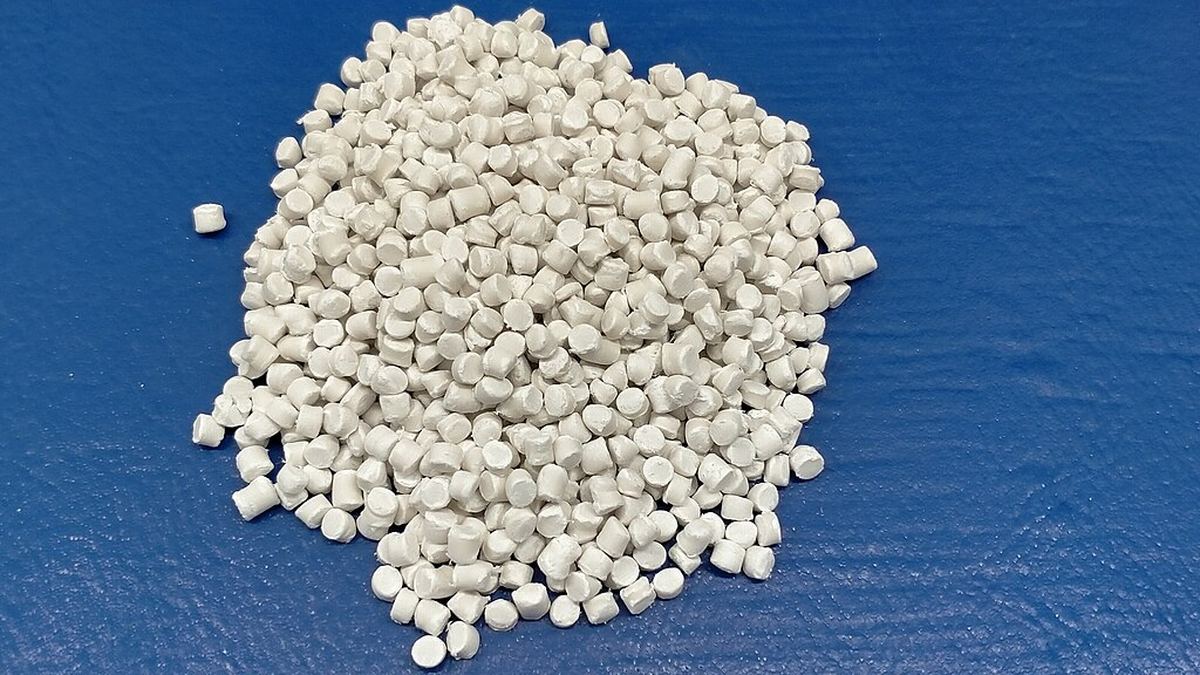
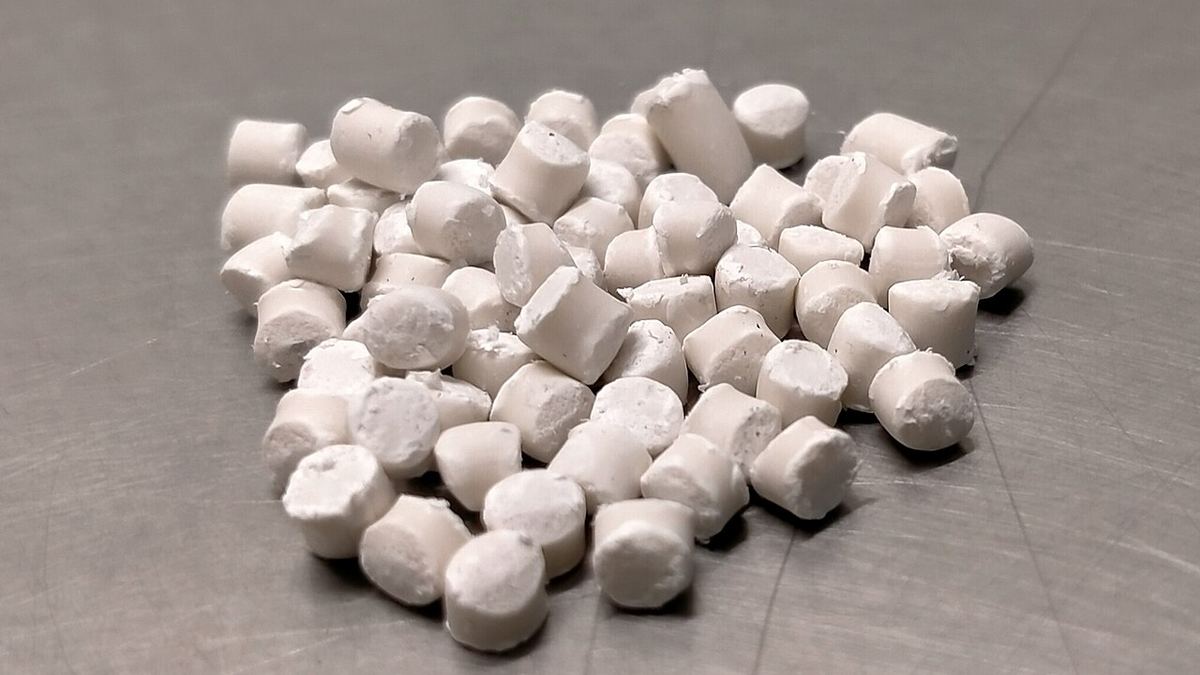
PA66, PA66+GF30 and PA66+GF50 — when do you use glass-fiber nylon? A metal replacement guide
With glass-fiber content from 0 to 60 %, nylon can reach strength levels approaching brass and steel. PA6 vs PA66, where %30 and %50 glass-fiber grades belong, and the real-world constraints of moisture absorption and dimensional stability.
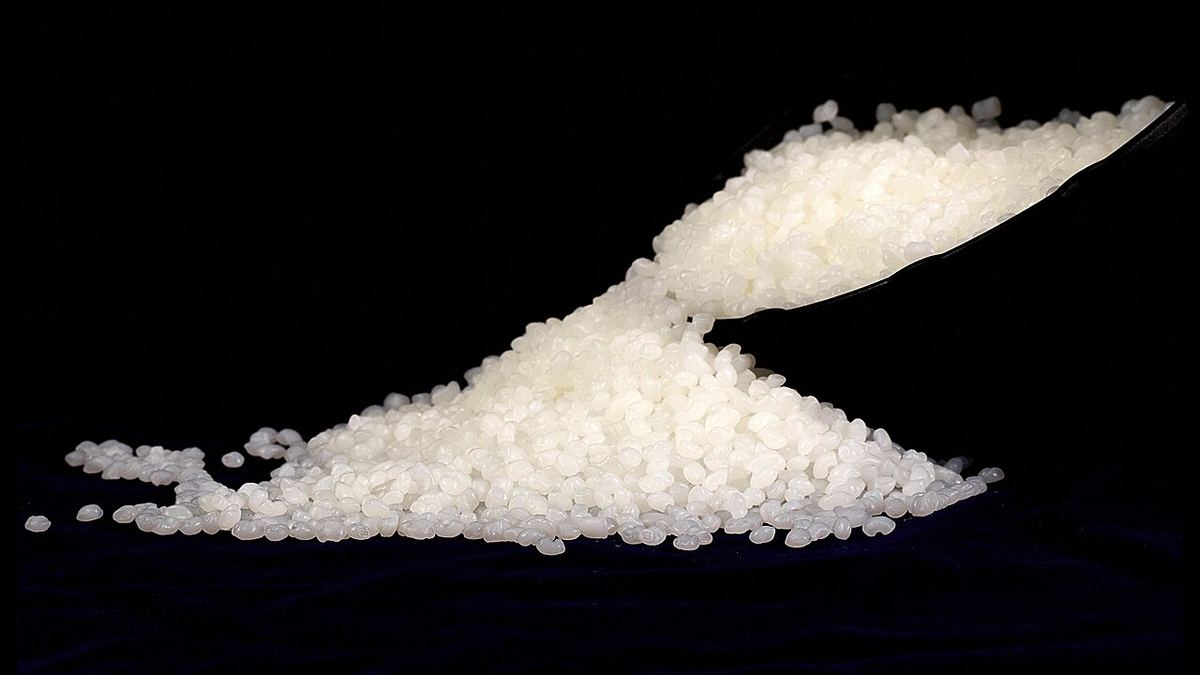
Choosing glass-fiber reinforced nylon (PA66+GF) is one of the most important metal-replacement stories of the past 20 years. Steel pillars in automotive engine bays, brass armature fittings and aluminum covers have been replaced with glass-fiber PA. Lighter, cheaper, faster to produce — but it absorbs moisture and requires careful processing.
This guide answers why we add glass fiber, what PA6 vs PA66 means in practice, and how to decide between GF30 and GF50.
First: PA6 or PA66?
Both are from the nylon family, with some meaningful differences:
| Property | PA6 | PA66 |
|---|---|---|
| Melting point | ≈220 °C | ≈260 °C |
| Strength | Good | Better |
| Moisture absorption | Higher (9.5 % saturated) | Slightly lower (8.5 %) |
| Processing | Easier, wide window | Narrow window, more care |
| Cost | Slightly lower | Slightly higher |
Rules of thumb:
- Indoor use, medium temperature, wide production window → PA6.
- Engine bay, above 100 °C, dimensional stability critical → PA66.
Brands: PA6 → Ultramid B (BASF), Zytel 73 (DuPont / Celanese), Akulon (DSM). PA66 → Ultramid A, Zytel 101, Vydyne.
What changes when you add glass fiber?
Glass fiber (GF) transforms nylon fundamentally:
- Strength rises 2-3x: PA66 tensile strength goes from ≈85 MPa to ≈180 MPa with GF30 and ≈240 MPa with GF50. Some special grades reach above 280 MPa.
- Modulus rises 3-5x: From 3 GPa to 10-16 GPa. That is in the metal range.
- Heat deflection temperature rises: From ≈75 °C for PA66 to ≈250 °C for PA66+GF30 (high load).
- Moisture absorption drops: Fibers do not absorb water; only the matrix does.
- Shrinkage drops substantially: 0.2-0.4 % in the flow direction (vs 1.5-2 % for unfilled PA66).
But there is a price:
- Warpage risk rises: Fibers align with flow; different shrinkage in flow vs cross-flow directions = warped part.
- Matte, rough surface: High mold temperatures help but cannot deliver fully glossy surface.
- Mold and screw wear: Fibers are abrasive. Screw tip and barrel need wear-resistant coating.
- Impact resistance drops: Izod ≈10 kJ/m² with GF30, vs ≈60 kJ/m² for unfilled PA66.
30 % glass fiber — the mainstream engineering grade
PA66+GF30 (Zytel 70G33L, Ultramid A3EG6, Technyl A 218) is the "standard" glass-fiber nylon for automotive interior equipment, connectors, covers and brackets. Good price-performance ratio, reasonable processing window.
Typical uses:
- Engine cover, air intake manifold
- Electrical connectors, fuse box
- Office chair five-arm base (carrying human weight)
- Door handle frame, window regulator gear
- Power tool housing
50-60 % glass fiber — metal replacement territory
PA66+GF50 (Ultramid A3WG10, Zytel 70G50HSLA) or GF60 gives rigidity close to steel and very high strength. Designed to replace brass and aluminum parts.
Typical uses:
- Shower mixer internal parts (hot water under pressure)
- Structural brackets replacing metal
- Load-bearing automotive parts (heavy load)
- Pump housings, valve parts
- Sports equipment (bike pedals, ski bindings)
Moisture — PA's most ignored issue
Nylon is hygroscopic — it pulls moisture from the air. And that is variable moisture:
- Dry PA66: Very stiff, somewhat brittle
- 50 % saturated PA66: Strength drops 20 %, elongation rises 2-3x
- Fully saturated PA66: Dimension grows 0.5-1 %, strength falls to less than half
Dry at the mold → humid in the field = dimension grows. Gears jam, bolted joints loosen. Therefore:
- Measure the part at post-moisture-conditioning dimensions. Follow supplier conditioning advice.
- For critical tolerance, pick a glass-fiber grade (moisture growth drops 70-80 %).
- Consider lower-moisture alternatives: PA6/10, PA12, PPA (semi-aromatic).
Drying is mandatory
PA must be dried before processing (desiccant dryer). Follow datasheet values; typical PA66 is 80 °C for 4-6 hours. Wet nylon = silver streaks, foaming, low strength.
See silver streak defect and solution for details.
PPA — nylon's big brother
If temperatures exceed 150 °C, pressure is very high, or moisture absorption is intolerable, PPA (semi-aromatic PA) enters the picture. Grades like Grivory HT1V, Vestamid HTplus, Amodel. More expensive, but it fills the gap where PA66+GF cannot cope — armature interiors, engine bay high-temperature parts.
Decision steps
- Continuous temperature above 100 °C? Yes → PPA or high-performance. No → 2.
- Metal-like strength and stiffness needed? Yes → 3. No → PA6 (indoor, light load).
- Very high load, precision needed? Yes → PA66+GF50 or GF60. No → PA66+GF30.
- Moisture-driven dimensional change critical? Yes → PA12 or PPA.
Try this flow in the material selection wizard — "engineering part" + "high pressure" + "critical tolerance" routes directly to PA66+GF50 or PPA.
Related: mold temperature selection, amorphous vs semi-crystalline polymers, causes of warpage.
Is something missing or wrong in this article? .