White goods: domestic sales up 16% and exports down 13% in September; production down 11% over nine months
According to TÜRKBESD data for six main products, September production rose 1% while January–September exports fell 17% and production 11%. The association pointed to anti-dumping duties on steel and the cost of GEKAP.
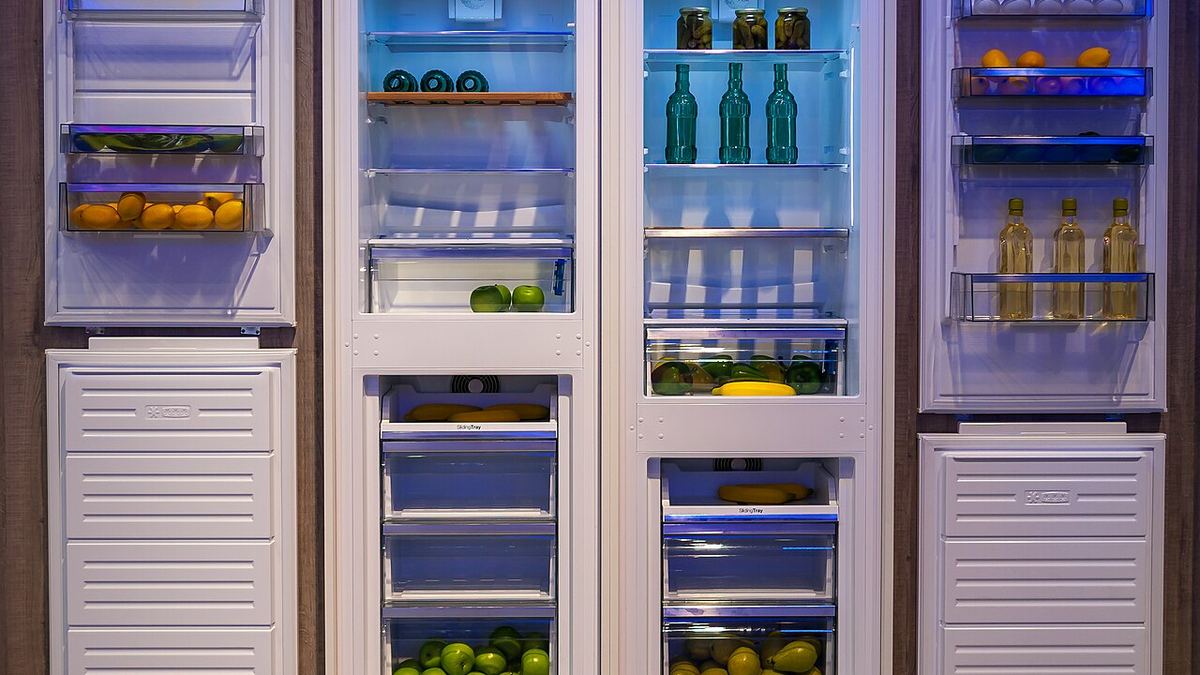
The Turkish White Goods Manufacturers' Association (TÜRKBESD) published September and nine-month figures for six main product groups.
| Six main products | September 2026 | Change | Jan–Sep 2026 | Change |
|---|---|---|---|---|
| Production | 2,614,418 units | +1% | 19,773,167 units | −11% |
| Exports | 1,593,029 units | −13% | 12,637,299 units | −17% |
| Domestic sales | 973,363 units | +16% | — | −2% |
| Total sales | 2,566,392 units | −4% | 20,016,756 units | −12% |
TÜRKBESD chairman Alper Şengül said the domestic market showed a slight recovery in the third quarter, but not enough to offset export losses. Because exports account for about 70% of the sector, he said, losses abroad hit production directly. He asked that trade measures adding cost to inputs such as steel be avoided.
Vice chairman Mehmet Yavuz said anti-dumping duties on flat steel raise production costs and weaken export competitiveness. Vice chairman Fatih Özkadı said GEKAP (the recovery contribution fee) is a significant cost, that about 250 million dollars was collected from the sector in 2020–2025, and that a weight-based calculation does not reflect the nature of white goods.
What does this mean for a molder?
White goods are among the biggest customers of injection molding, with parts such as tubs, drawers, lids, panels and fans. An 11% drop in nine-month production points to lower order volumes for suppliers to this sector, while the rise in September domestic sales is a limited sign of recovery. To see the cost per part line by line in price talks, use our part cost calculator.
Is something missing or wrong in this article? ; verified errors are corrected.