Antalya City Council calls for an end date to plastic waste imports ahead of COP31
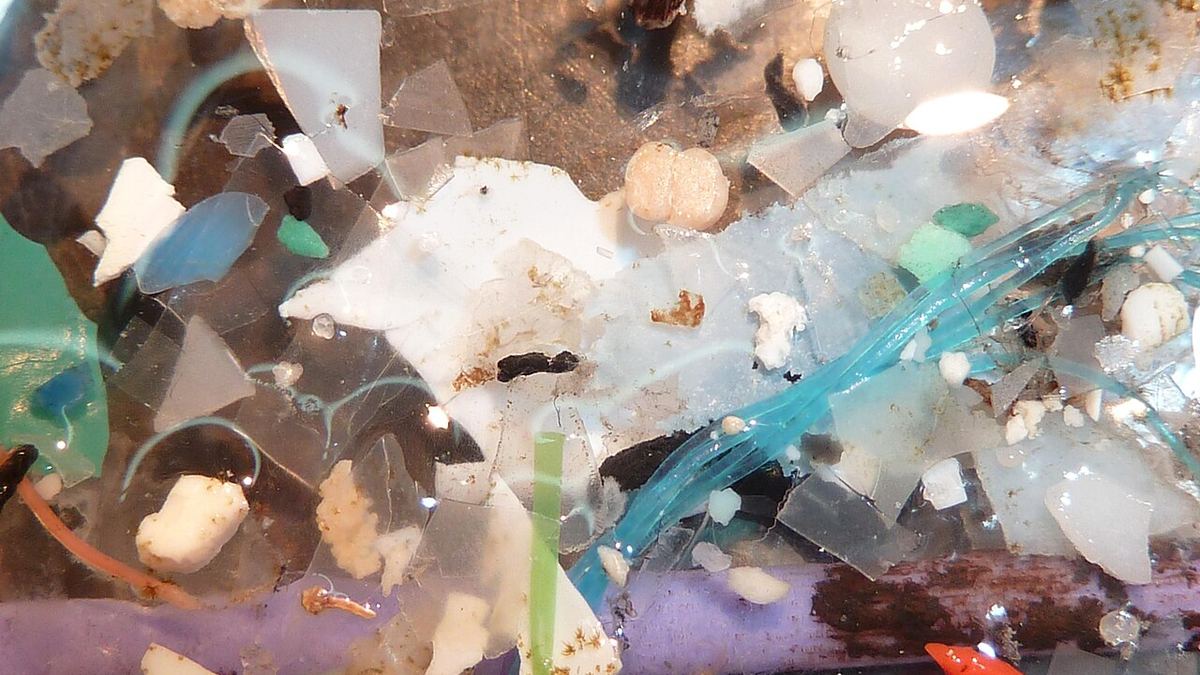
The council's Environment Working Group issued six demands on Mediterranean plastic pollution; according to preliminary findings, microplastic density at some points in Alanya is 2 to 65 times the highest value reported for Türkiye's Mediterranean coast.
Ahead of the COP31 climate summit in Antalya on 9–20 November, the Environment Working Group of the Antalya City Council announced six demands against plastic pollution in the Mediterranean. The statement is signed by group chair Assoc. Prof. Dr. Güray Doğan and acting chair Tuba E. Kökcen.
The council's demands:
- A comprehensive Mediterranean Plastic Pollution Action Plan covering river beds, agricultural waste, boats, tourism and the recycling sector.
- A clear timeline for ending plastic waste imports.
- Continuous monitoring of wastewater discharges from recycling facilities.
- A producer-responsibility collection system for agricultural plastics.
- Recording and tracking of waste from boats.
- An independent microplastic monitoring system with university support.
The statement cites the council's own assessments and research: Türkiye imported about 510,000 tonnes of plastic waste from the EU in 2025, a record; in preliminary tests in Alanya, microplastic density at some points was 2 to 65 times the highest values reported for Türkiye's Mediterranean coast; in irrigation channels below recycling facilities in Adana, microplastics rose up to 132-fold. The council says most particles examined in Alanya carry processing traces specific to recycling facilities. These findings are the council's own claims; the report includes no independent verification. The council welcomes the inspections launched by public bodies and the barriers governorates ordered at 29 major river mouths, but considers them insufficient for a lasting solution.
What does this mean for a molder?
For companies that use recycled pellets there are two possibilities: if inspections and restrictions on recycling plants that depend on imported waste tighten, domestic and traceable recyclate may become more valuable; if supply shrinks, prices may move. No decision exists yet — only a demand. Asking your supplier now about the origin and paperwork of their material will help both in customer audits and under any new rules.
Is something missing or wrong in this article? ; verified errors are corrected.