Turkish start-up SynPet secures permits for a 300 million euro mixed plastics recycling plant in Antwerp
SynPet Technologies, operating in Belgium, received environmental and zoning approval for a plant that will turn about 250,000 tonnes of mixed plastic waste a year into a petrochemical feedstock alternative to naphtha.
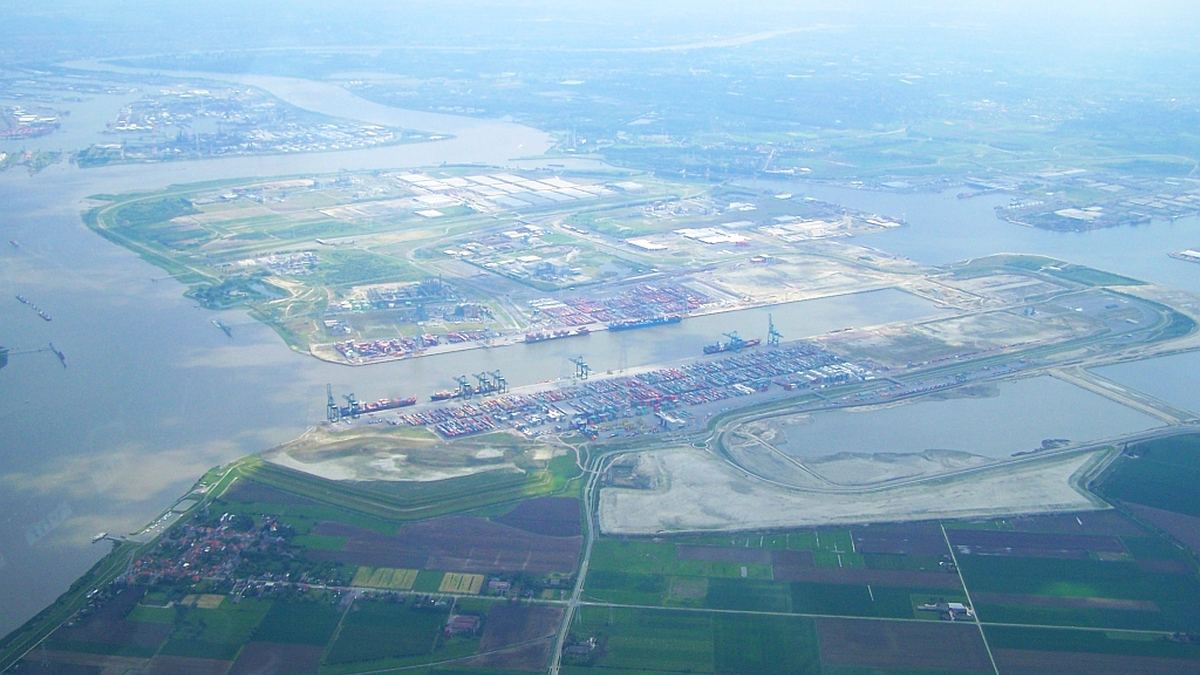
SynPet Technologies, a Turkish technology start-up operating in Belgium, has received the environmental and zoning approvals for its plant at the Port of Antwerp, Europe's second-largest port. The investment is worth 300 million euros; Swiss-based Kolmar Group AG is also providing financial support.
- What it will do: Separate mixed plastic waste that is hard to recycle with current methods and turn it into an alternative to naphtha used in petrochemicals. The product is meant to go directly into new plastic production at petrochemical plants in the port area.
- Capacity: About 250,000 tonnes of mixed plastic waste a year at full capacity.
- Background: The company announced its investment plan last year. Executive Cem Özsüer said the project rests on more than ten years of R&D.
The report gives no construction start or completion dates and no employment figure. The report is dated June 2026; we will update it if there is a new announcement after the permits.
What does this mean for a molder?
Chemical recycling of this kind aims to make virgin-equivalent raw material from mixed waste; unlike mechanically recycled pellets, it can be used for food-contact and colour-sensitive parts. As recycled-content mandates approach in Europe, such feedstocks may enter the supply lists of producers supplying parts to the EU.
Is something missing or wrong in this article? ; verified errors are corrected.