Live PP injection molding with 3D-printed inserts at Formnext 2026: 48-72 hours from CAD to part
iAM Marketplace will mold polypropylene live at Formnext in Frankfurt, 17-20 November, using cavity inserts printed from a ceramic-filled resin. According to the material's processing guide, such inserts last about 1,000 shots in unfilled ABS, POM and PC and about 100 shots in glass-filled grades.
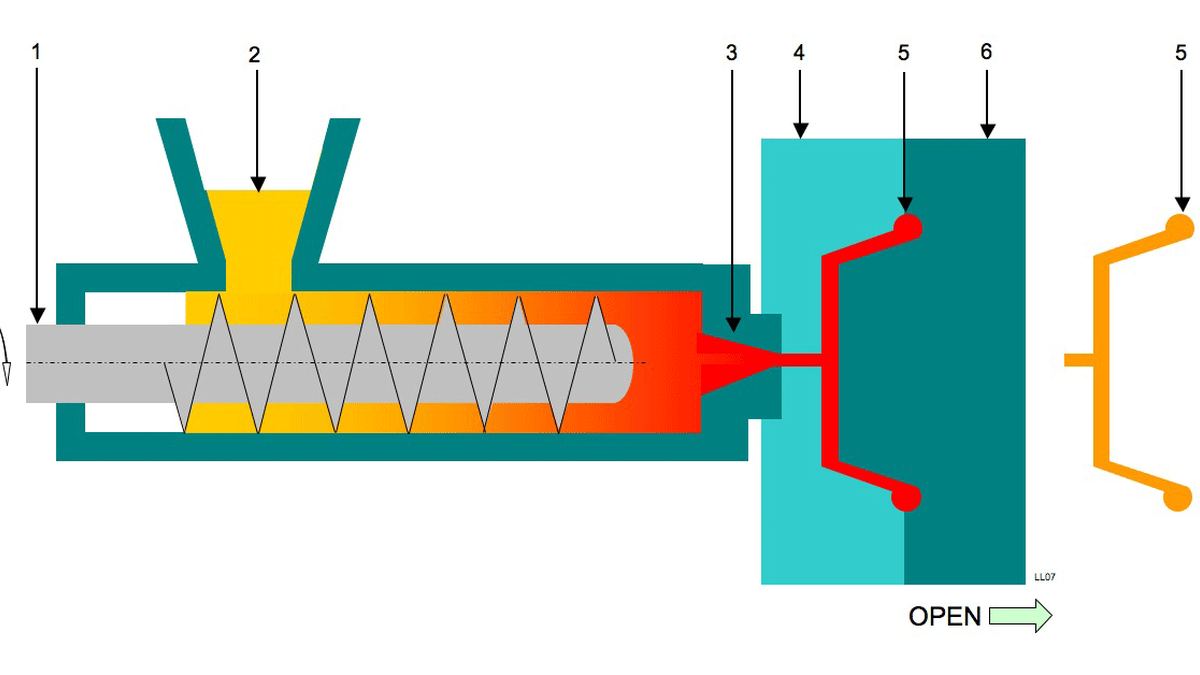
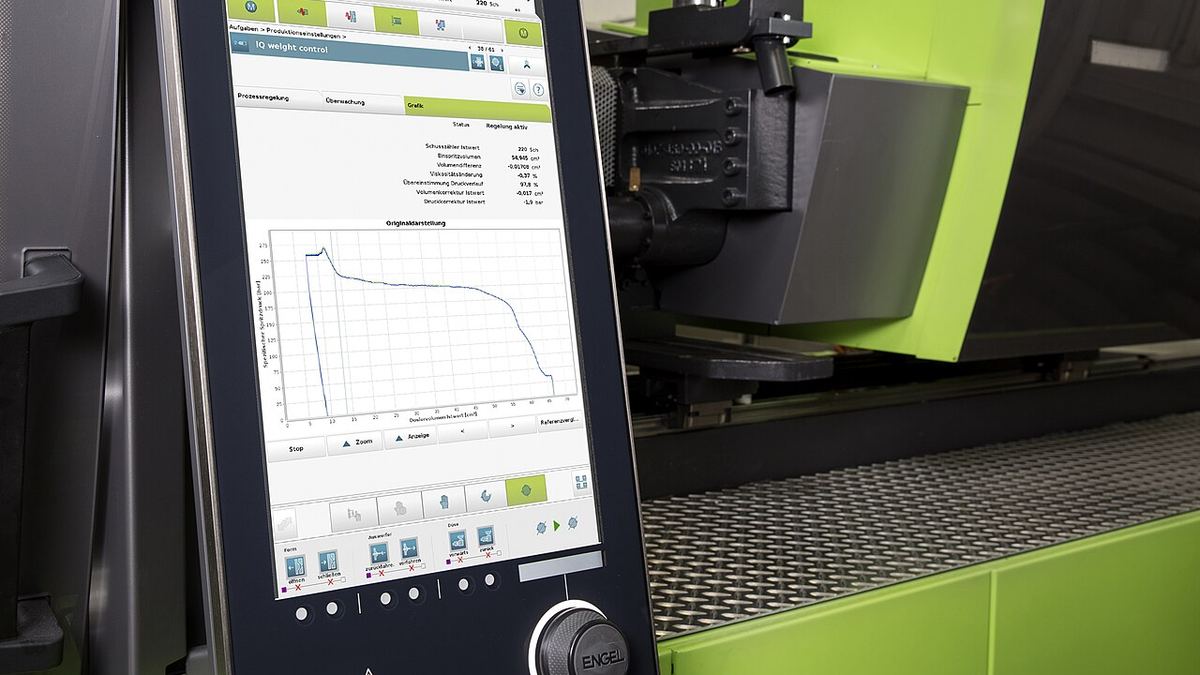
At the additive manufacturing show Formnext 2026 (Frankfurt, 17-20 November), iAM Marketplace will demonstrate live polypropylene (PP) injection molding with 3D-printed cavity inserts. Demonstrations run daily at 11:00 and 14:00 in Hall 12.1, stand D61, on an APSX-PIM V3 injection machine.
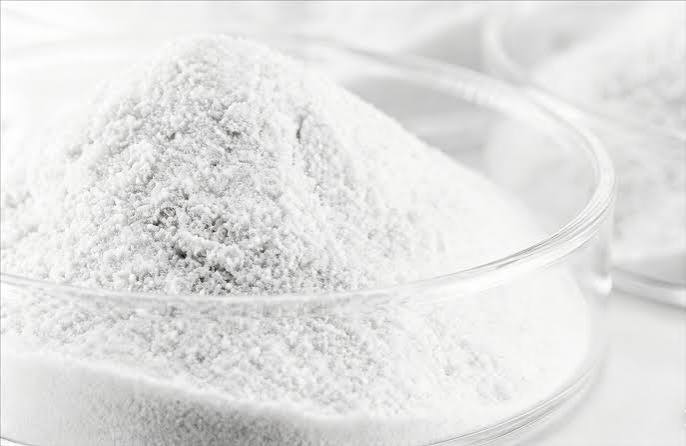
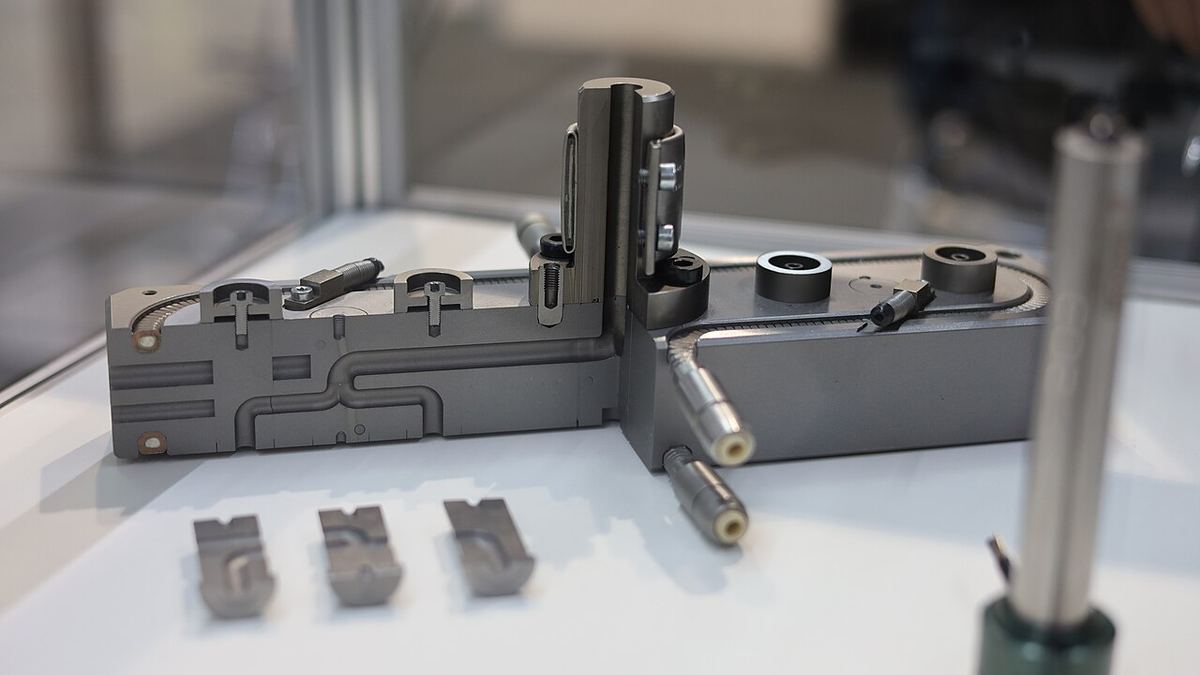
- Material: The inserts are printed from Ultracur3D RG 3280, a rigid, ceramic-filled resin. They can be opened and reused. Printing is done on a Formlabs Form 4, followed by washing and post-curing.
- Shot life (per the processing guide, under the stated conditions): about 1,000 shots in unfilled ABS, POM and PC; about 100 shots in PP GF30 and PA 6.6 GF25.
- Lead time: iAM Marketplace estimates 48-72 hours from CAD to molded parts, depending on complexity.
- Field example: In a case study cited in the report, automotive supplier MD ELEKTRONIK cut tooling time for prototype cable overmoldings with functional electronics from 6-10 weeks to 3-4 days; more than 60 parts were molded in 90 minutes with little or no insert wear. The source notes that this does not establish full tool life.
- Dissolvable tooling: The stand will also show xMOLD, single-use mold sections that dissolve in sodium hydroxide solution.
What it means for molders
Printed inserts do not replace steel or aluminum tools. Their purpose is to mold the part in its intended material before investing in production tooling. Snap-fit fatigue, sealing and flexural behavior can only be tested reliably on molded parts, not on printed ones.
The limits are stated too: small parts are the best fit, while large parts that need high injection pressure and clamping force, or higher quantities, still call for aluminum or steel. A life of around 100 shots in glass-filled material keeps the method in the trial and sample range.
The T1 trial plan shows step by step which values to measure and record during a mold trial, and the calculator gives a first estimate of the clamping force for your part.
Is something missing or wrong in this article? ; verified errors are corrected.