Engel's AI-powered EVA assistant at Plastimagen 2026; after operator confirmation, it changes machine settings itself
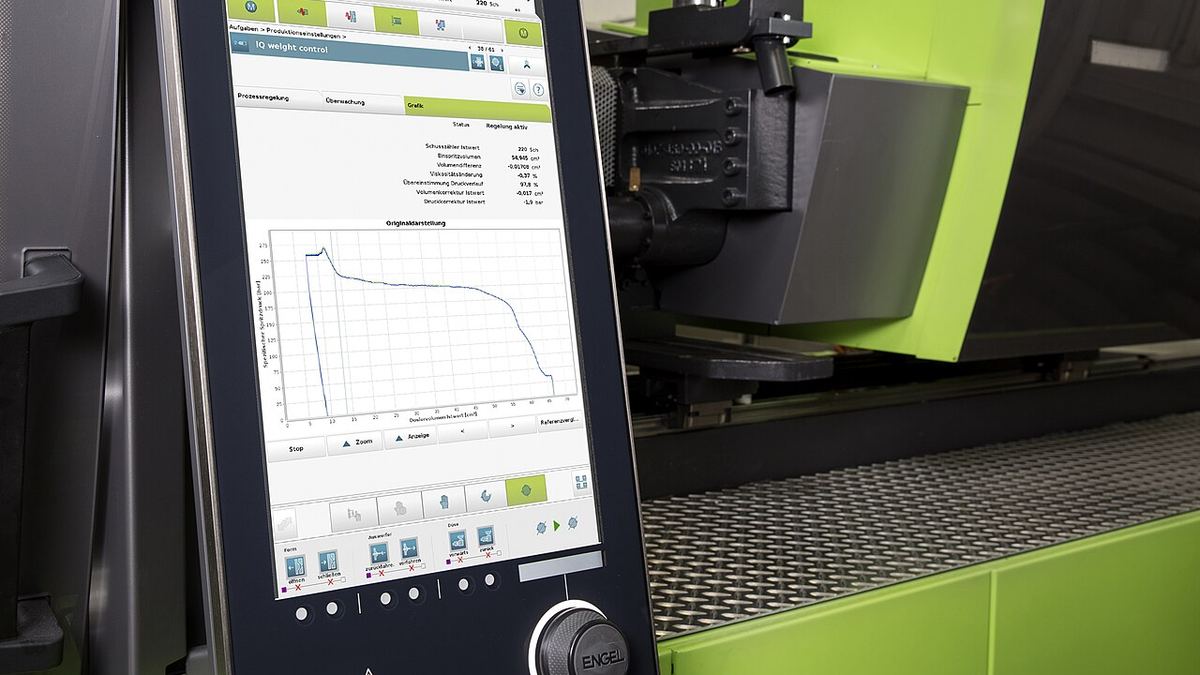
Engel showed four live injection machines and its new virtual assistant EVA at Plastimagen 2026 in Mexico City, 10-13 November 2026. The assistant interprets operator questions in natural language, suggests an appropriate response, and — once the operator confirms — transfers the approved change to the machine control system.
According to PlasticsToday, Austrian injection molding machine manufacturer Engel attended Plastimagen 2026 at Centro Citibanamex in Mexico City from 10 to 13 November 2026 with four live machines. The emphasis of the show was the company's next-generation tools for AI on the shop floor.
- EVA (Engel Virtual Assistant): A virtual assistant that links shop-floor data with Engel's machine, process and service expertise. It interprets operator questions written in natural language, proposes a response and, once the operator confirms, transfers the change directly to the machine control system.
- Retrofit for CC300 and C3 control systems: EVA is offered as an option for new Engel and WINTEC injection cells, and can be retrofitted to existing machines.
- e-win's first time in Mexico: The all-electric e-win series was shown for the first time to the Latin American market at Plastimagen.
- Four live machines: Cost-efficient high-volume production solutions were demonstrated alongside the AI-powered shop assistant EVA.
What does this mean for a molder?
AI assistants have been at chatbot level for a while — the step to actually sending commands to the control system is new. Letting the assistant pass output through operator confirmation is a sensible middle ground between "machine changes its own settings" and "operator is guided step by step". For smaller workshops, it is a meaningful step toward making shop-floor expertise accessible without an on-site expert.
To record your own process-setting history, use the mold logbook and my machines tools; for troubleshooting classification, see the defect diagnosis wizard.
Is something missing or wrong in this article? ; verified errors are corrected.