Kristal Kola merges two filling lines on a common neck finish: 3-4 percent less PET and closure weight
Turkish beverage producer Kristal Kola says it combined its narrow-neck and wide-neck bottle lines on a single neck finish, cutting PET and closure weight by 3-4 percent. The company plans an additional 30 million euros of investment over the next five years.
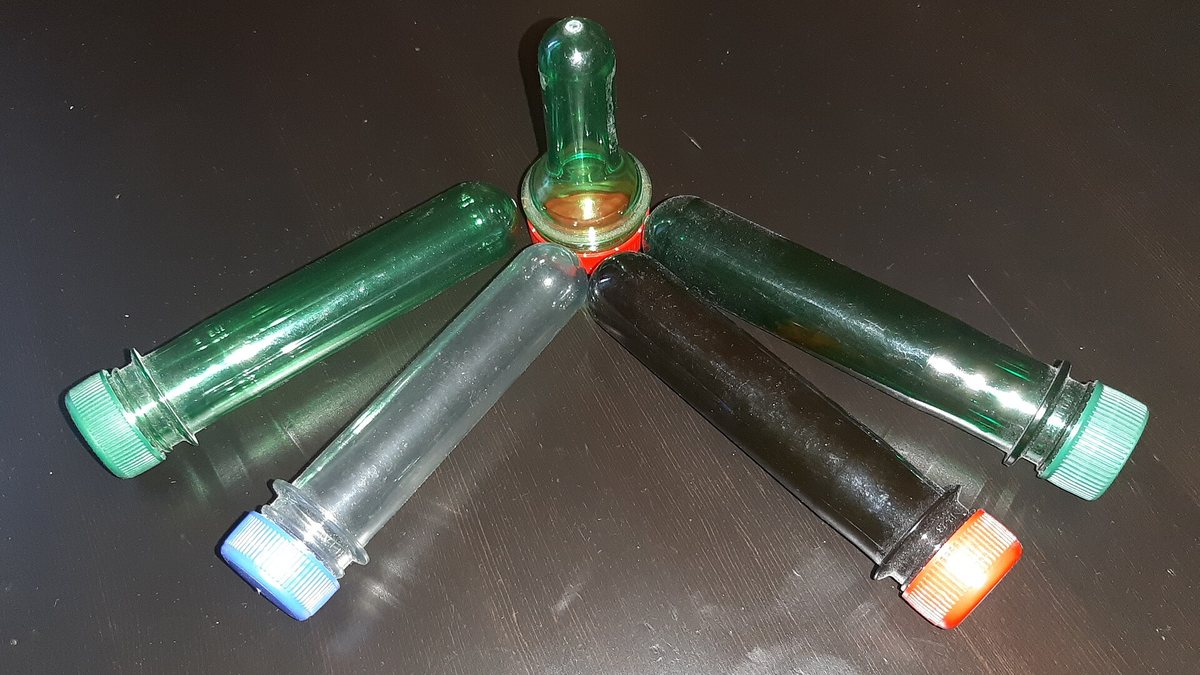
Kristal Kola, which produces at four plants in Balıkesir, Edremit, Sapanca and Kırıkkale, has combined its narrow-neck bottle line for carbonated drinks and its wide-neck bottle line for hot-filled still drinks into a single line with a common neck finish. According to an interview by the Turkish newspaper Dünya with CEO Burak Erdoğan:
- The company describes the line as "the world's first hybrid line".
- The common neck design reduced both PET bottle and closure weight by 3-4 percent, and the closure also became smaller.
- Annual output is over 250 million litres; the target for the end of 2027 is over 285 million litres.
- 30 million euros were invested in the plants over the last seven years; a further 30 million euros is planned over the next five years.
- The Kırıkkale plant opened last year (investment of 1.1 billion Turkish lira) is the company's largest by capacity; a second production line is planned there within two years.
- Annual revenue is about 100 million dollars, of which about 10 percent comes from exports.
What it means for molders
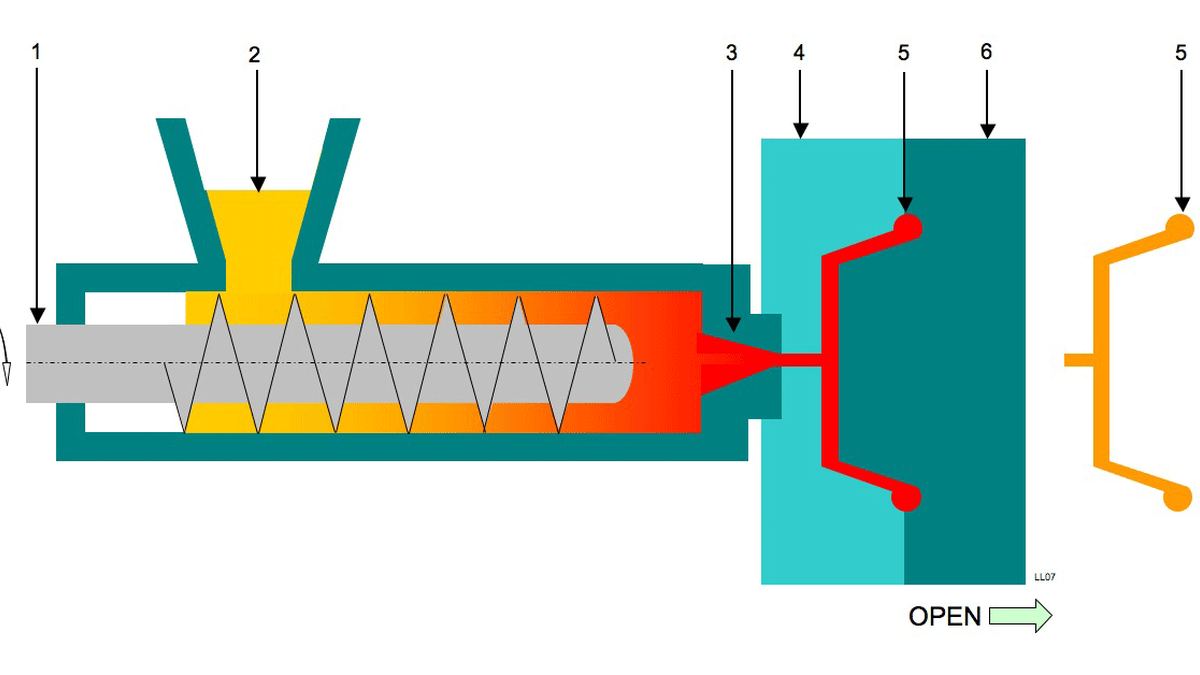
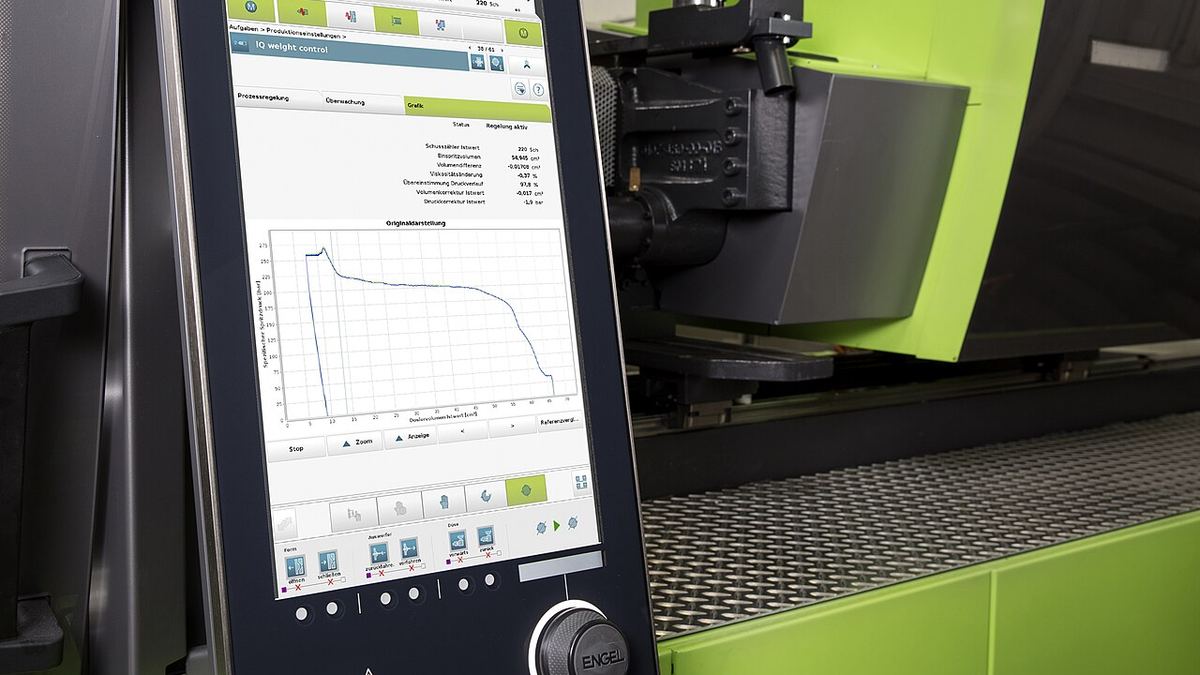
The body of a PET bottle is formed by blow molding, while the neck already gets its final shape in the injection-molded preform. The neck finish defines both the preform mold and the closure mold. Moving to a smaller neck standard, or to a single finish for several products, saves both part weight and mold variety for preform and closure molds. A few percent less closure weight makes a significant difference in annual resin use on high-volume lines; at the same time, filling balance and holding pressure settings become more critical for thin-wall closures.
To see how material cost affects part cost, use the cost tool.
Is something missing or wrong in this article? ; verified errors are corrected.